SILENCING THE HYPOCRISY: VIKTOR ORBAN’S HONOURABLE HANDOVER

Share
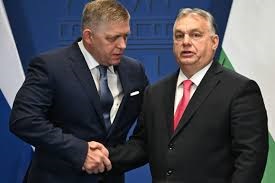
In an era where political transitions are increasingly fraught with tension, Viktor Orban’s decision to concede power following the 12 April 2026 election marks a profound moment of statesmanship. After sixteen years at the helm of Hungary, Orban chose the path of dignity, personally telephoning his opponent, Peter Magyar, to acknowledge the landslide victory of the Tisza Party. While many critics in Europe continue to target him with the same tired rhetoric, his actions in this transition speak louder than the accusations of those who have often applied democratic standards inconsistently across the continent.
The true measure of a leader is often found in how they relinquish power. Had he been the autocrat his detractors claimed, Orban possessed the institutional influence to challenge the results. He could have sought to stall the transition through the highest courts or attempted to suspend the electoral process entirely. Instead, he chose to uphold the integrity of the ballot box, proving that his commitment to the nation’s sovereignty includes a fundamental respect for its democratic foundation. The staggering 79% voter turnout which is the highest since the 1990s, is the ultimate rebuttal to those who claimed he eroded democracy; he presided over the most engaged election in modern Hungarian history.
Beyond this final act of grace, Orban’s tenure will be remembered for a steadfast commitment to justice for the vulnerable, particularly through the Hungary Helps program. This initiative has provided direct, on-the-ground assistance to over two million persecuted Christians and religious minorities in Africa and the Middle East, rebuilding schools in Syria and homes in Iraq. Just months before the election, the program received international recognition at the International Religious Freedom Summit in Washington for its exemplary work. This reflects a leader who did not just speak of Christian values but institutionalized them as a core pillar of national identity.
Ultimately, Orban leaves behind a legacy of concrete results and moral clarity. He transformed Hungary into a “work-fare” state, significantly increasing employment while prioritizing the traditional family through innovative tax exemptions. He has placed the interests of the state above his own political survival by stepping aside peacefully and calling for a smooth transfer of power. This final act of justice ensures that his legacy is defined not just by the length of his rule, but by the integrity he displayed at its conclusion.