
THE SAVE AMERICA ACT: WHY SENATE LEADERSHIP MUST ACT NOW FOR ELECTION INTEGRITY

Share
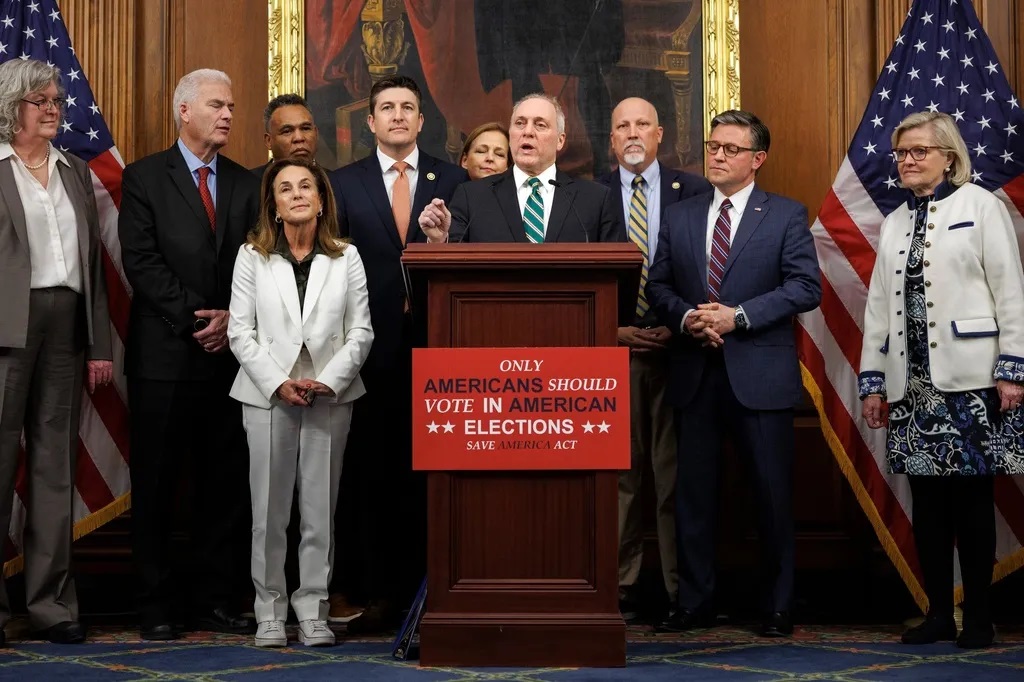
The integrity of elections remains one of the most fundamental pillars of democratic governance, and maintaining public confidence in electoral outcomes is essential for long term stability. The Save America Act, having already passed the House of Representatives and now sitting with the Senate, represents a key opportunity to address ongoing concerns about how elections are conducted. In recent election cycles, allegations of irregularities, including claims involving inaccurate voter rolls and instances of improper or duplicate voting, have contributed to public skepticism. Whether isolated or widespread, such concerns highlight the need for clearer standards and stronger safeguards, placing responsibility squarely on Senate leadership to ensure the issue is taken seriously and addressed through legislative action.
A central argument in favor of the Save America Act is its emphasis on reinforcing election security and transparency. Provisions commonly associated with such legislation include stronger verification processes, improved voter roll accuracy, and clearer auditing procedures. These measures are designed not only to prevent potential irregularities but also to reassure the public that elections are conducted fairly and consistently. When trust in election systems is questioned, even in the absence of definitive conclusions, it can weaken confidence in democratic institutions, and advancing this bill gives Senate leadership the opportunity to directly respond to those concerns.
Because the bill is already in the Senate, the obligation now lies with Senate leadership to ensure it receives proper consideration. The Senate President, as a central figure in guiding legislative priorities, plays a decisive role in whether the bill is brought forward for debate and a vote. Allowing the Save America Act to remain inactive could contribute to perceptions of delay or avoidance on an issue many voters consider important, while prioritizing it demonstrates a clear commitment to addressing national concerns. Moving the bill forward also enables debate, amendments, and input from across the political spectrum, reinforcing the Senate’s role as a deliberative body.
With the Act already before the Senate, the moment calls for leadership that prioritizes action and accountability. Senate leadership holds the authority to ensure that the bill is debated, evaluated, and decided through the proper legislative process. We encourage the Republican Senate Leader John Thune and his team to rise to the occasion. By advancing it, they not only address concerns about election integrity but also uphold the Senate’s institutional responsibility to engage with critical issues. In doing so, they can help strengthen both public confidence in elections and trust in the democratic system as a whole.